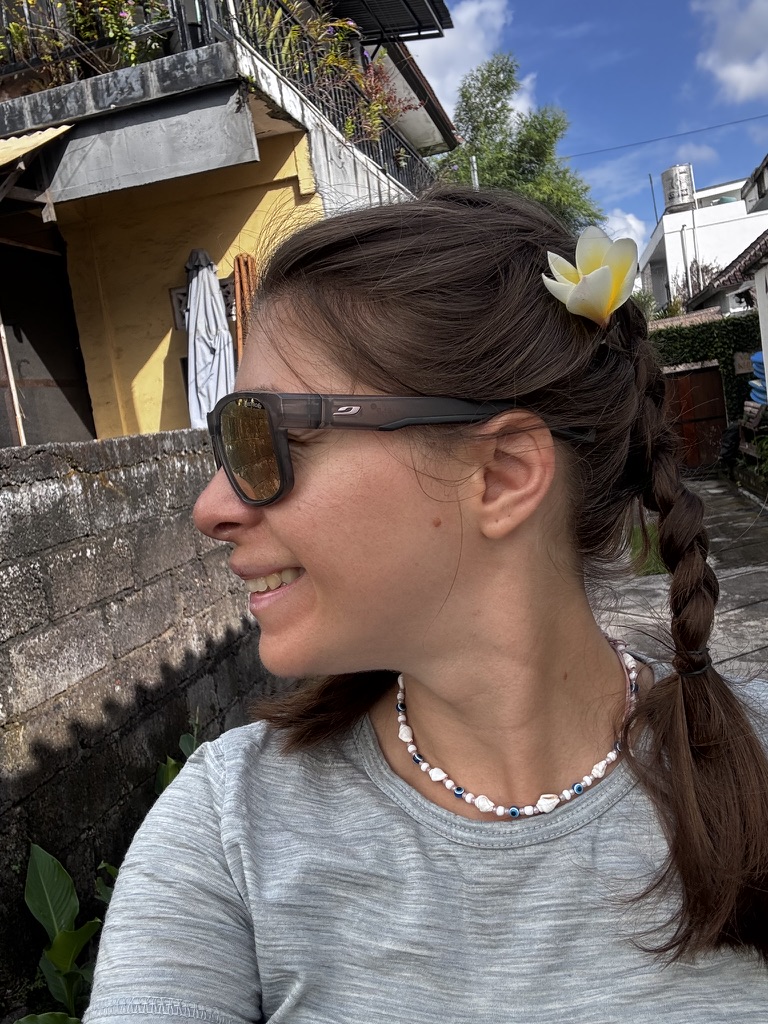
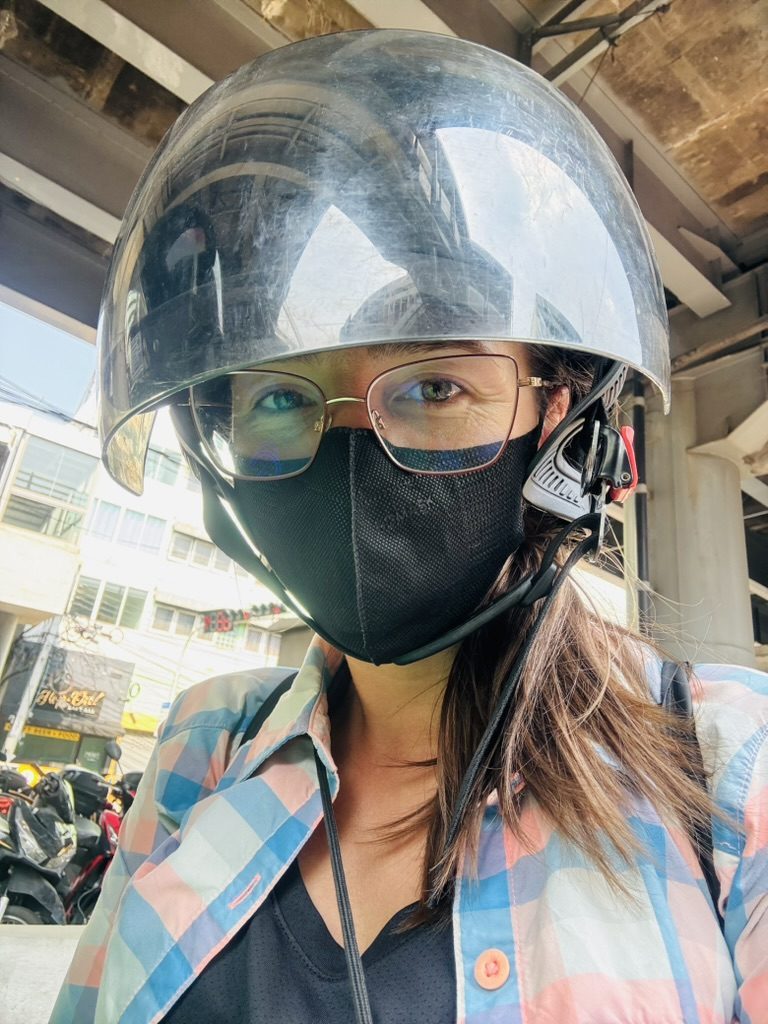
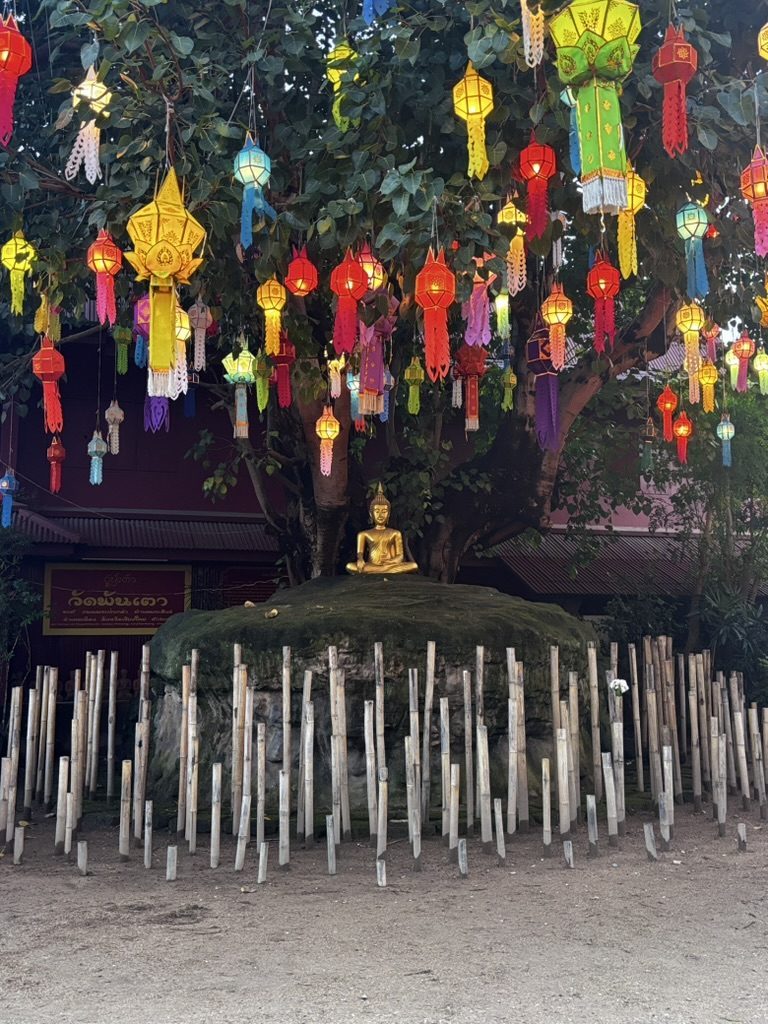
After two weeks in Canggu and Ubud I knew I needed to move. Canggu had become a place for influencers and gym culture, which is fine — just not what I was there for. Ubud was the spiritual and yoga version of Bali, but it had priced itself accordingly and felt more like a wellness brand than a town. Both are worth seeing. Neither is where I wanted to stay.
So I started moving east, and then south-west into the interior. Towards the green. Towards the jungle. Towards the parts of Bali that weren't trying to be anything in particular.
Tabanan
The Tabanan region is where the rice terraces actually are — not the famous tourist ones with the viewing platforms and the entry fee, but the everyday ones that stretch across the hillsides as if no one thought to make a deal out of them. The landscape here is quieter and more agricultural. Less performative. The green is the kind that happens when humans have been farming the same land for generations and gotten very good at it.
A new flower every morning. Once you start noticing them you can't stop.
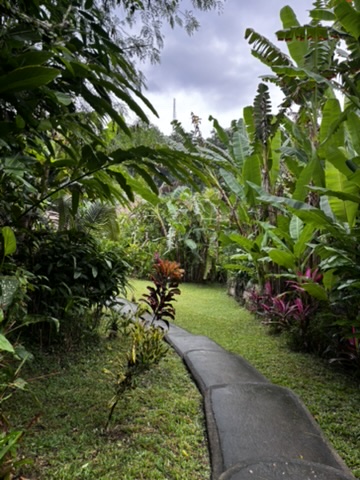
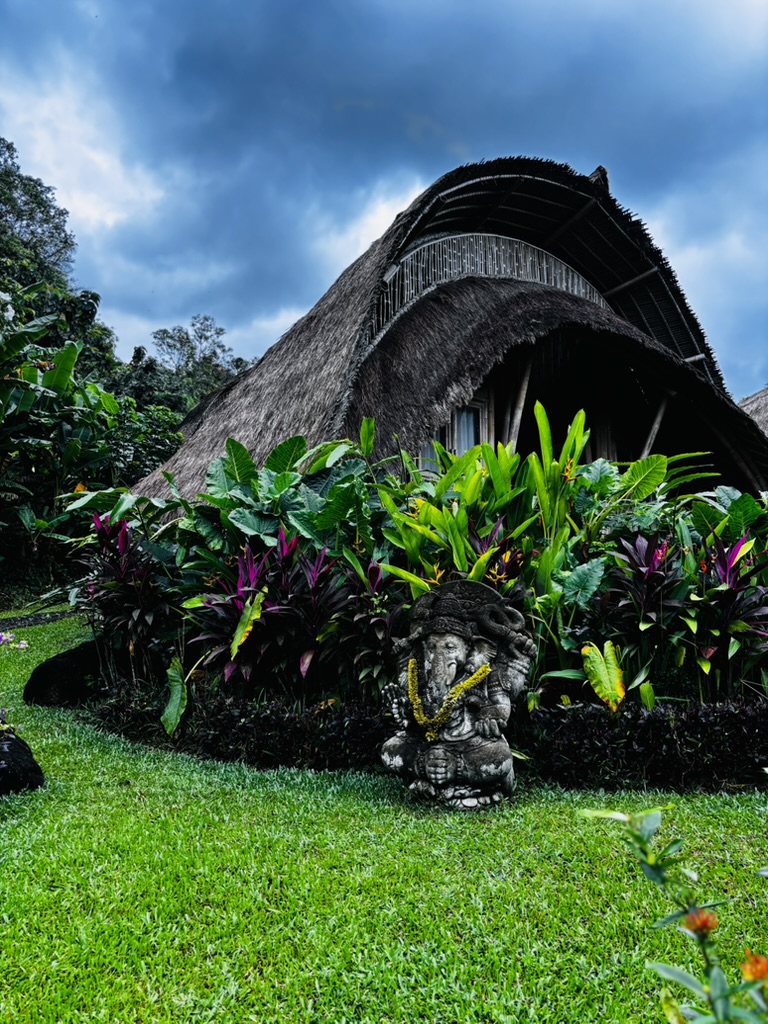
Stone and water and flowers. The architecture here belongs in the landscape instead of sitting on top of it.
What struck me about this part of Bali was how practically the natural environment gets used. Not in a wasteful way — almost the opposite. Banana leaves appear as packaging for food at local markets, wrapped around rice and fish and whatever else needs carrying. In Thailand I'd been noticing a push to use banana leaf instead of plastic for packaging — here in rural Bali it was just already normal. The plant grows everywhere, costs nothing, and composts back into the soil. It's not a trend here. It's just what you do.
The rice fields
The terraces don't photograph the way you expect. The green is almost unreasonably saturated — too even, too arranged — and it looks computer-generated until you're close enough to see the irrigation channels and the frogs and the people still farming the same way the island has farmed for centuries. The Subak system — the cooperative water management that organises all of it — is UNESCO-listed. When you see it working, you understand why.
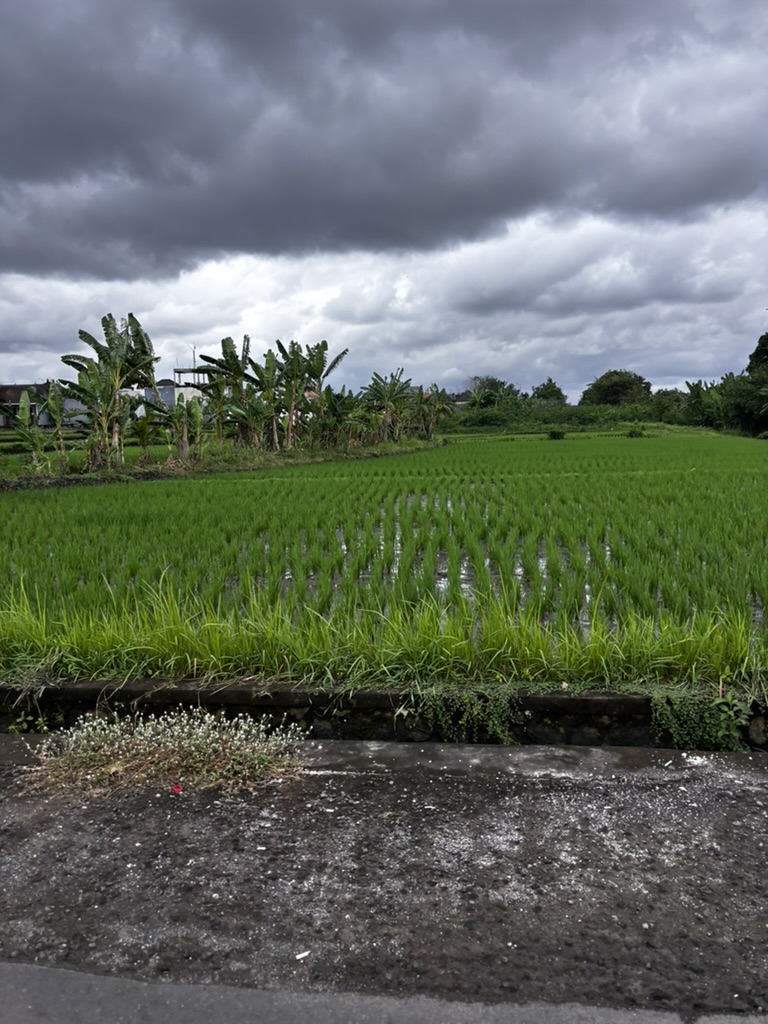
The rice fields of Tabanan. Too green to be believable, completely real, maintained by a system older than most countries.
I walked the edges in the early morning. A farmer already working. Two ducks moving between the rows with no apparent agenda. A dog sleeping on a path. The whole thing had the quality of something that has been exactly like this for a very long time and doesn't need to change.
Getting around: the scooter chapter
I should explain how I was getting to any of this, because it took me longer than I'd like to admit to figure out.
I'd arrived in Bali with a large trolley suitcase and a backpack, because I'd planned to have a portable monitor with me for work. In practice I never used the trolley. After a week I was already wondering why I'd brought it. The island doesn't really have reliable public transport between areas — getting from one region to another without a scooter means paying for private transfers every time, which adds up quickly and removes all spontaneity.
So in my third week I watched a YouTube tutorial on how to ride a scooter. Then I found a rental, and a grandma nearby who saw what was happening and helped me get going — standing beside me while I wobbled in a car park, gesturing with her hands when to ease off the throttle. Between her and the YouTube video, I got it. It took about half an hour of genuine concentration and then suddenly it was fine.
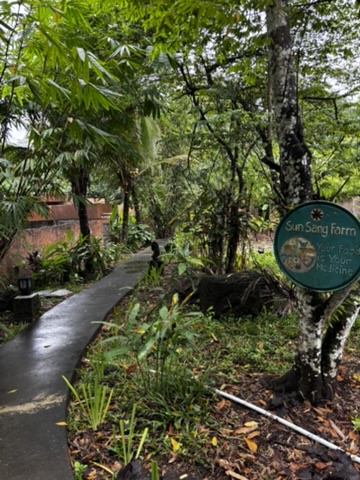
The places you reach when you have a scooter look like this. Worth the wobble.
The trolley stayed at whatever accommodation I was at for the rest of the trip. You cannot drag a large suitcase on a scooter. You can fit a backpack and go anywhere. These are different experiences of the island, and only one of them leads you somewhere like Tabanan.
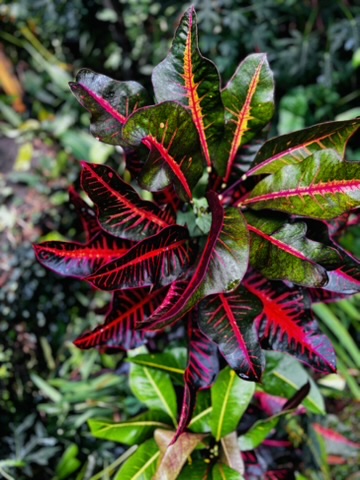
The garden at the retreat. Stone and green and no reason to be anywhere else.
I spent time just walking the grounds with no particular destination. Noticed things at a smaller scale than usual — a spider web between two flowers catching the light, a carved stone face covered in moss looking completely unbothered by it, offerings on every step placed with the kind of attention that is also a kind of prayer. Bali will do this to you if you stay in it long enough and move slowly enough. The small scale is where it keeps its best work.