Destinations
20+ countries across 2 continents — with stories, guides, and an interactive map of everywhere the road has taken me.
My Travel Map
I use Polarsteps to track every trip in real time. Below you'll find an embed of my journey map — click any stop for photos, dates, and notes from that location.
The Full List
✓ = guide published
Through My Lens
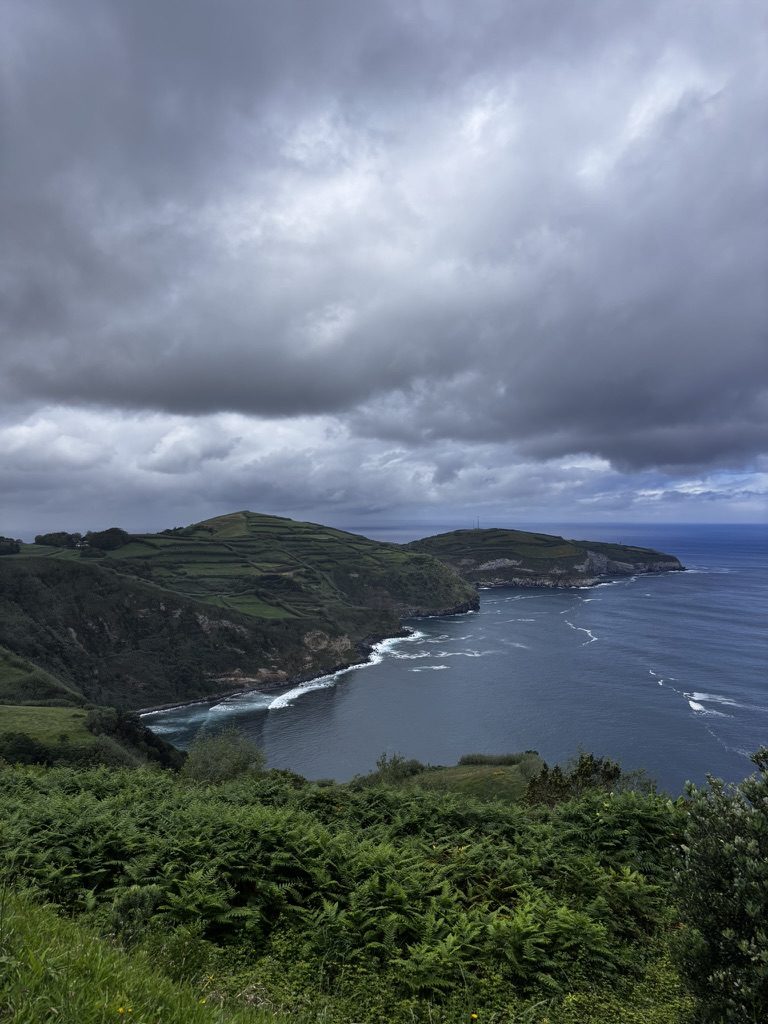
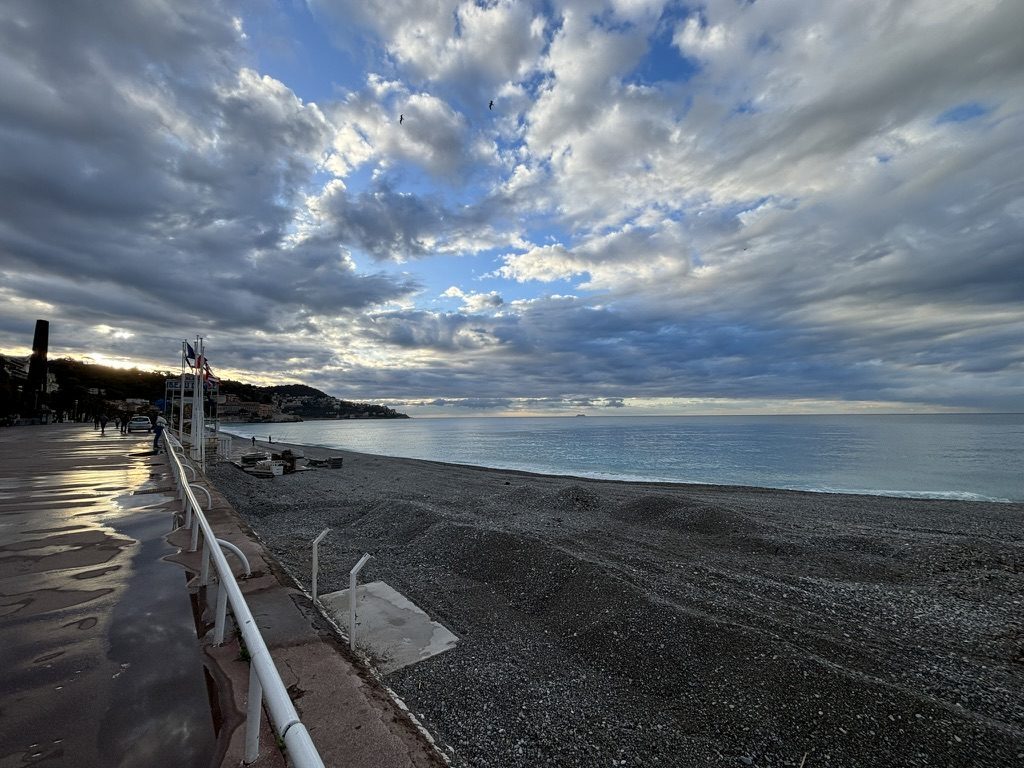
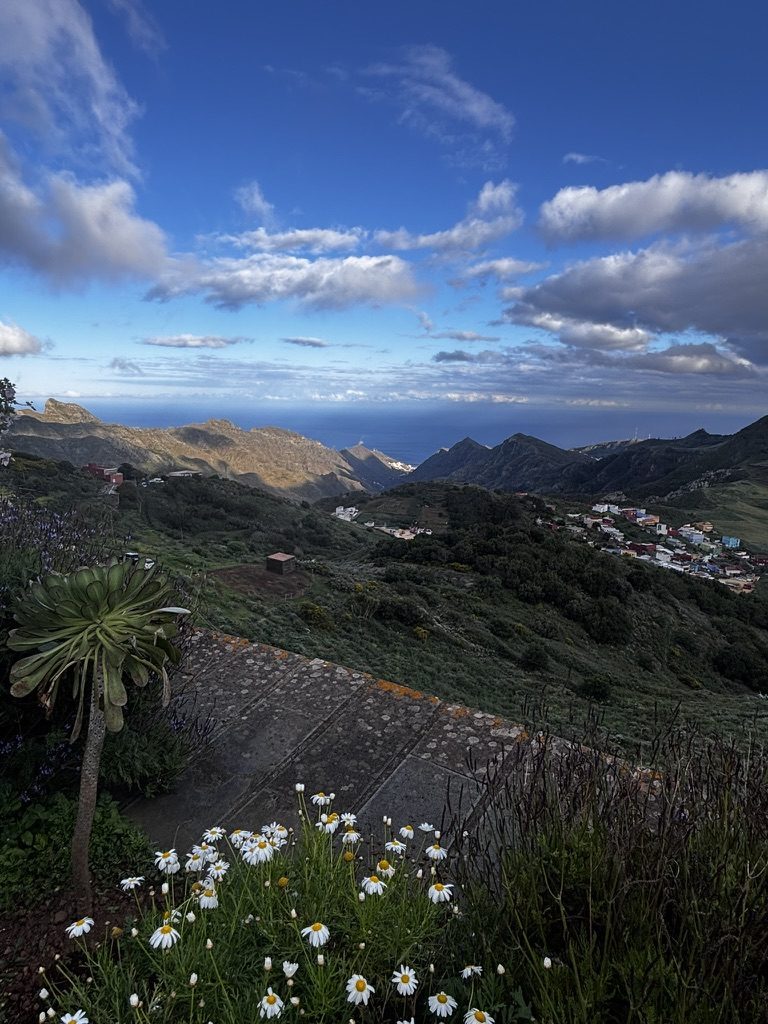
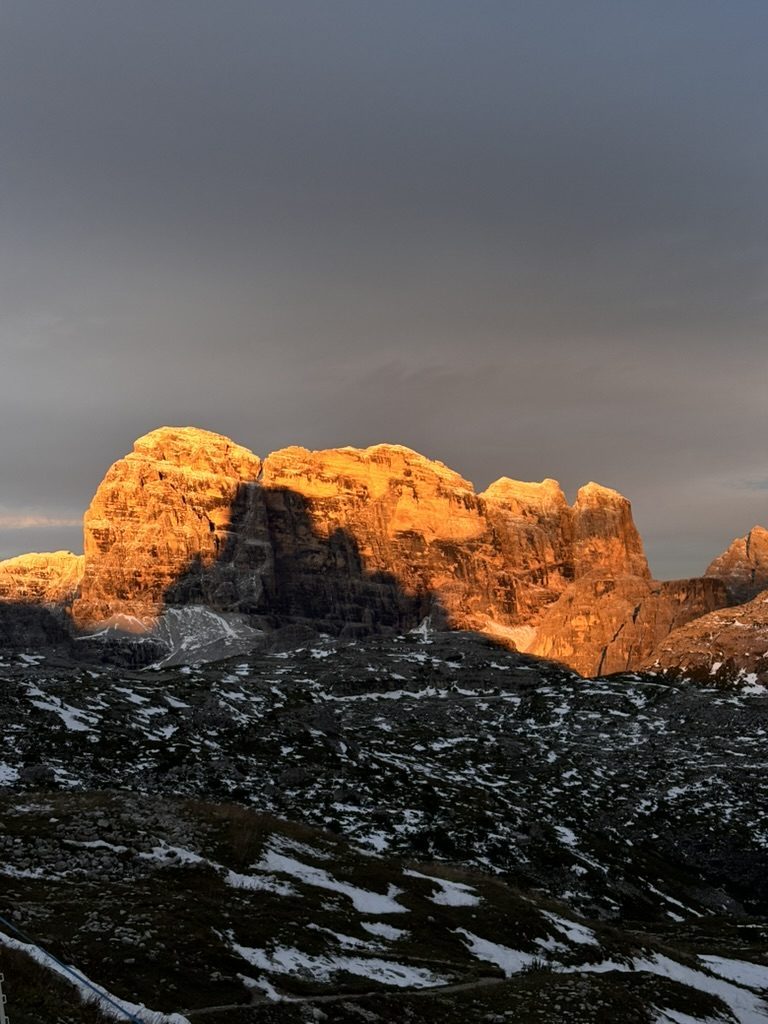
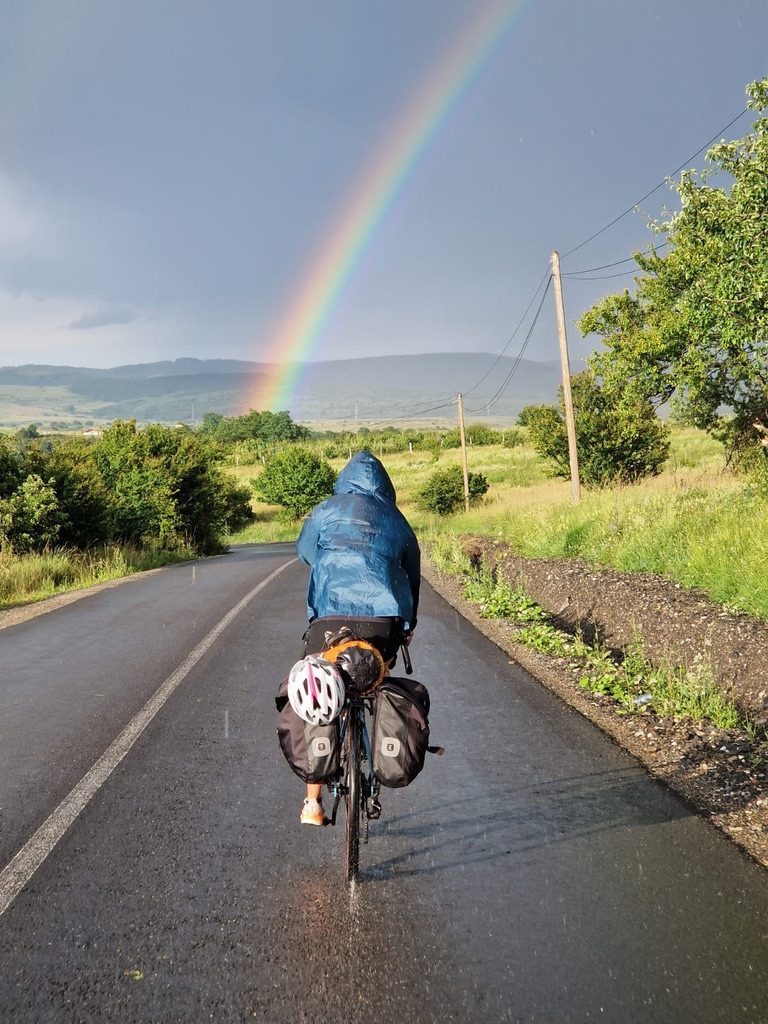
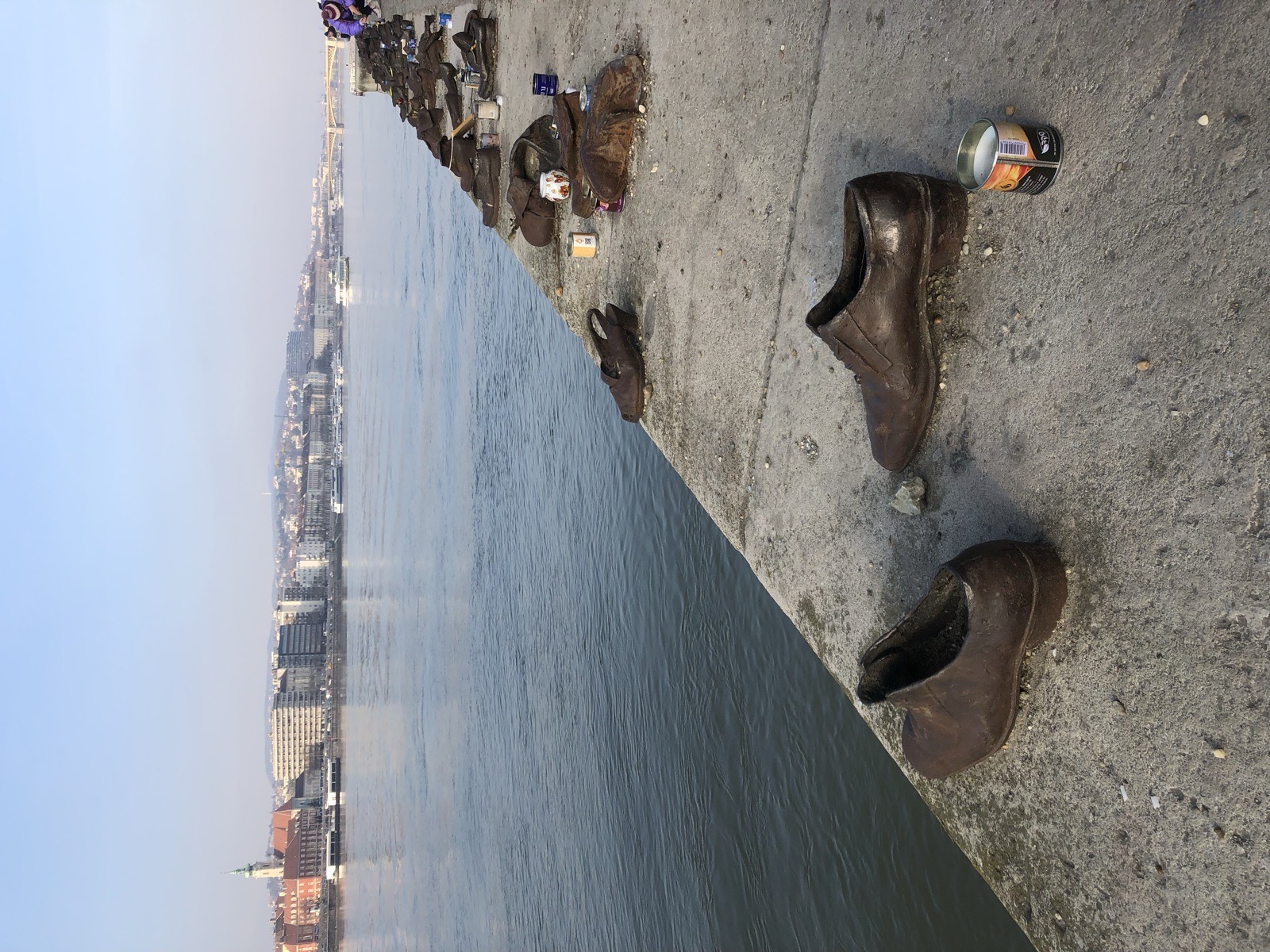
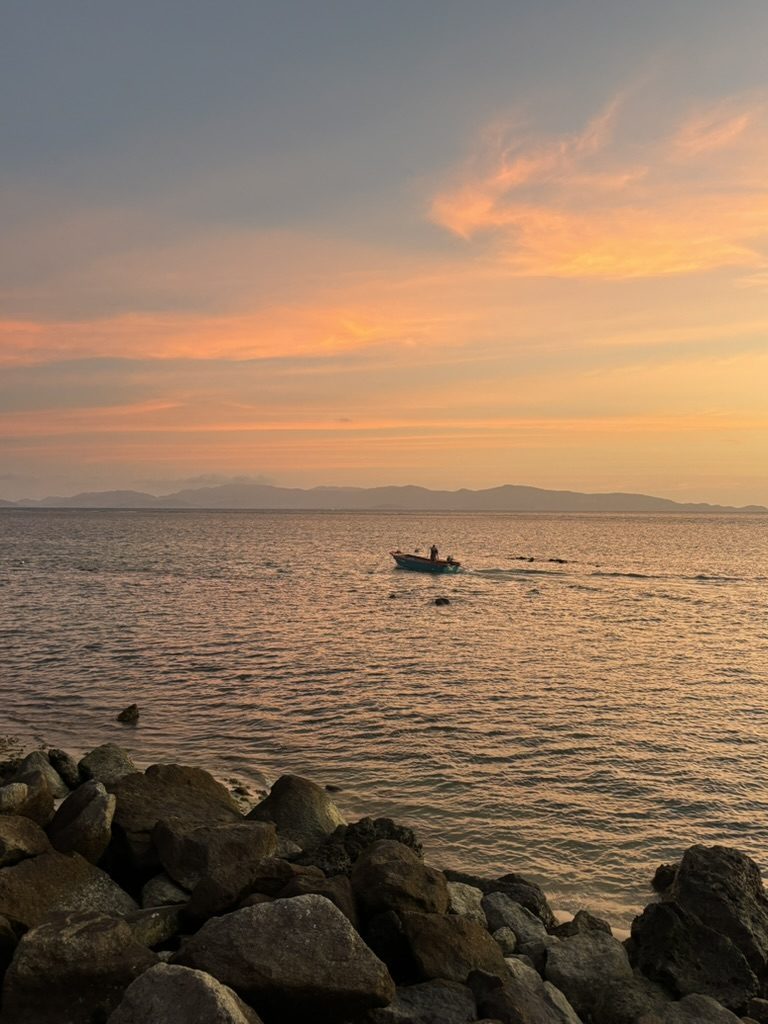
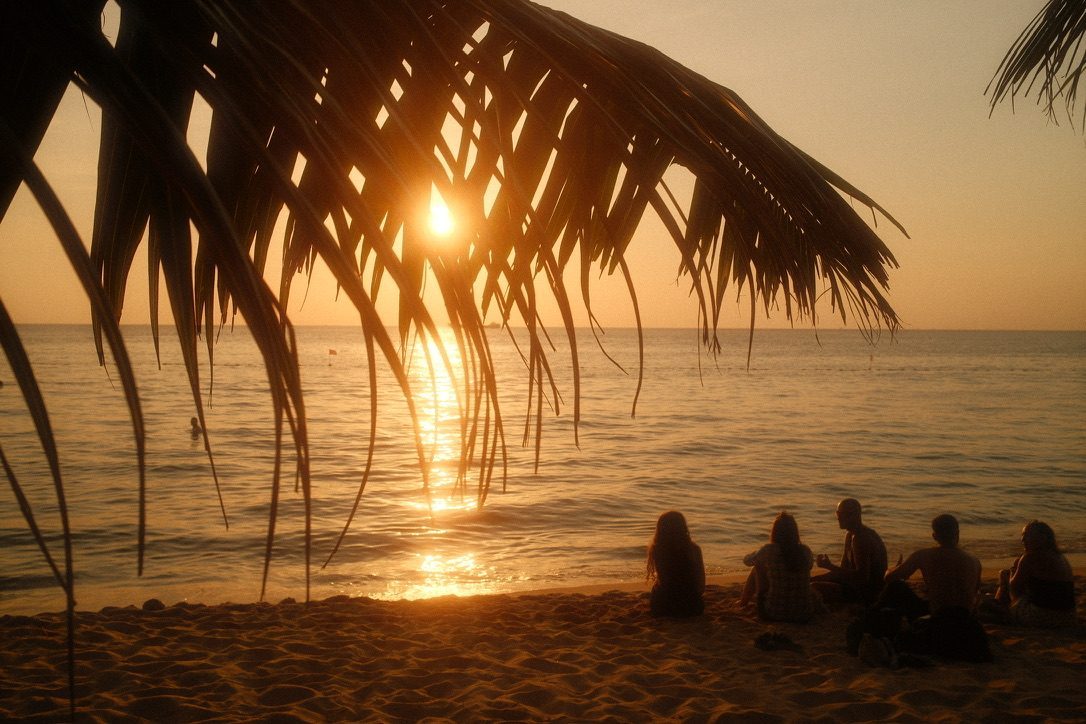
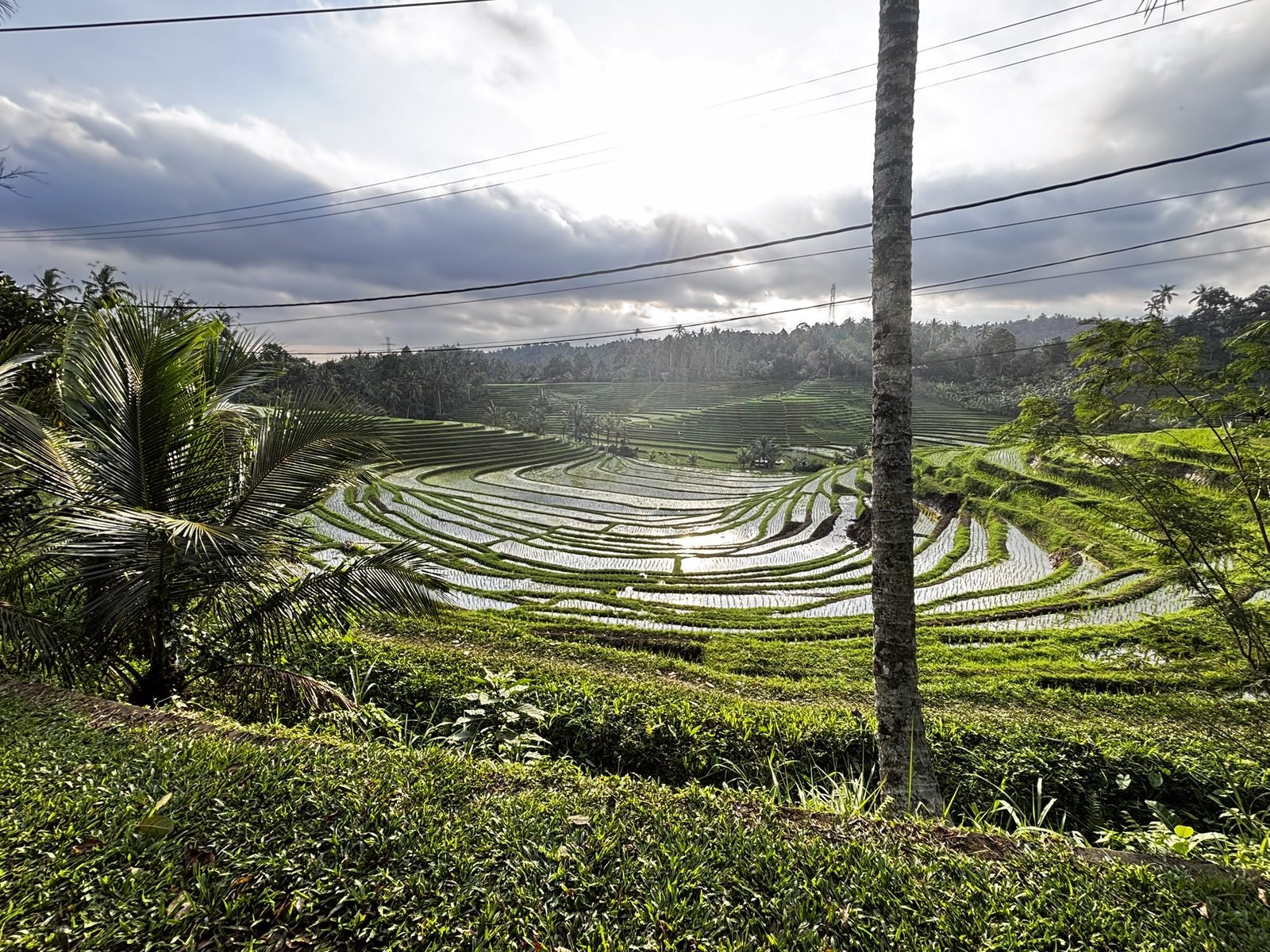
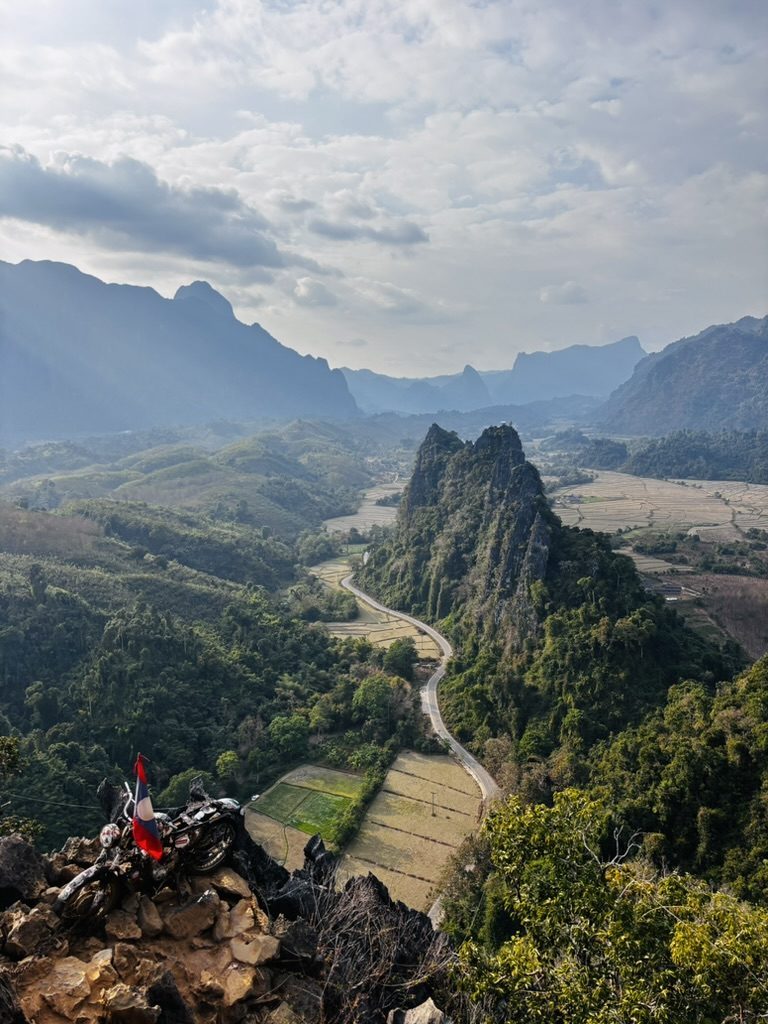
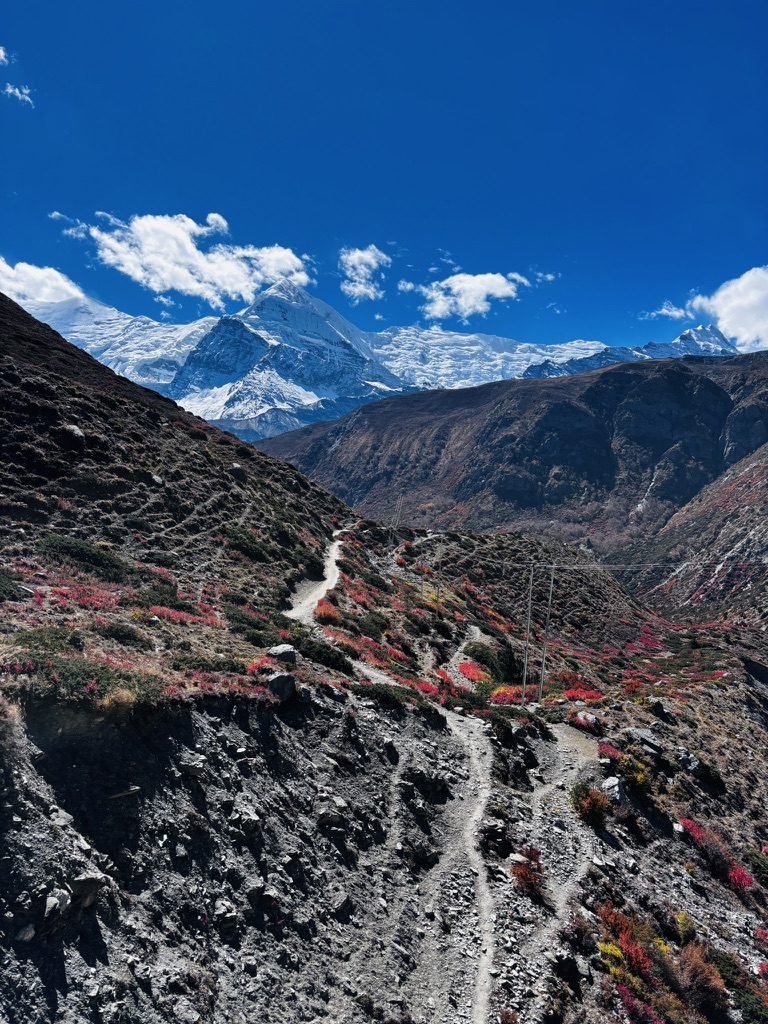
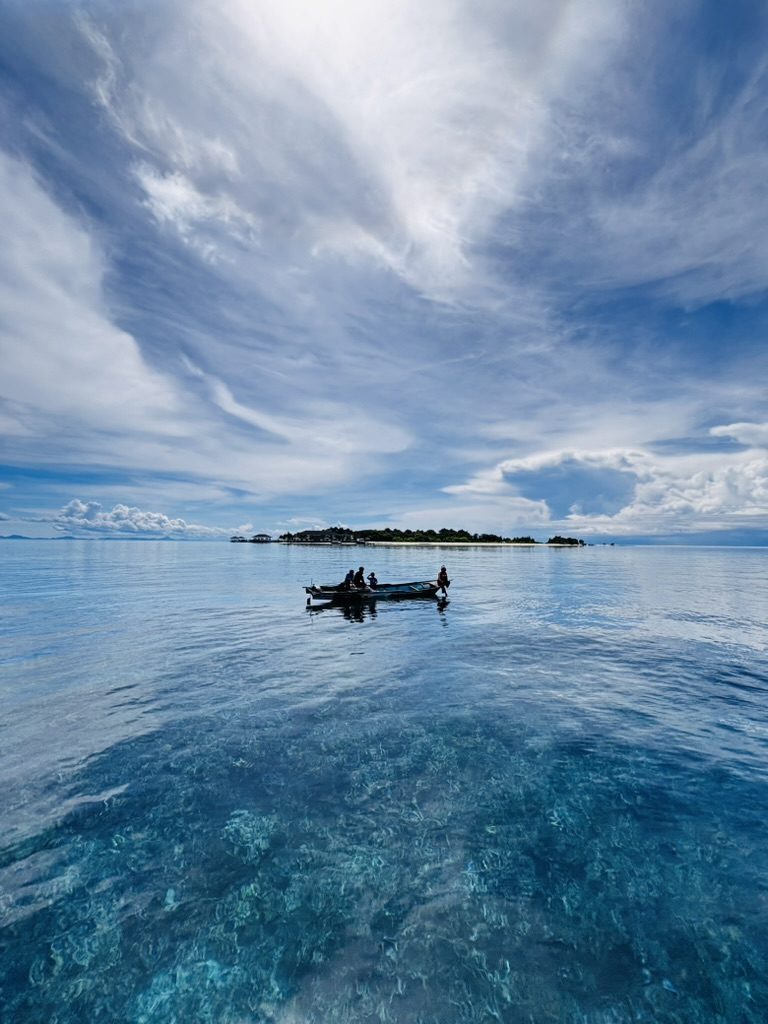
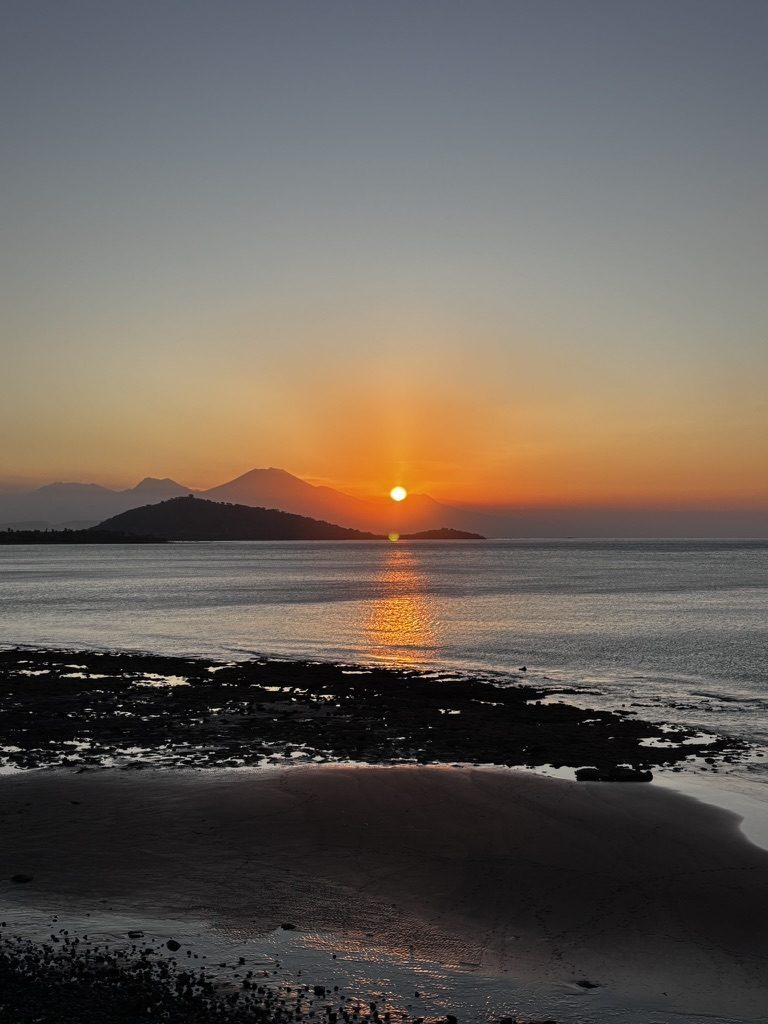
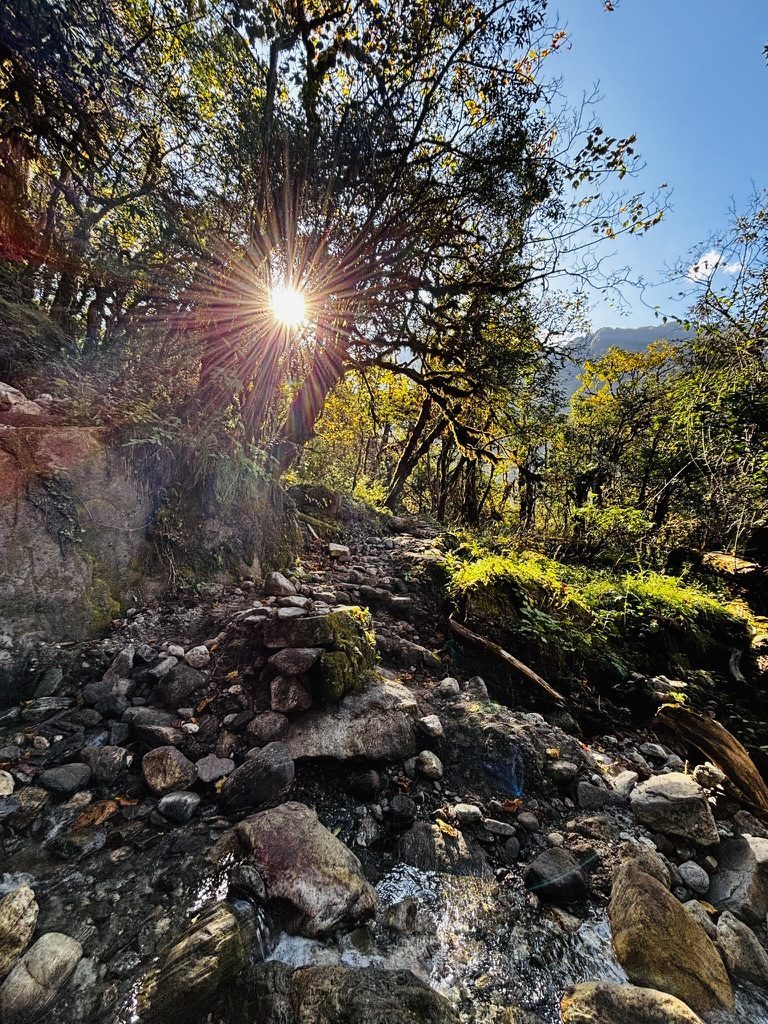
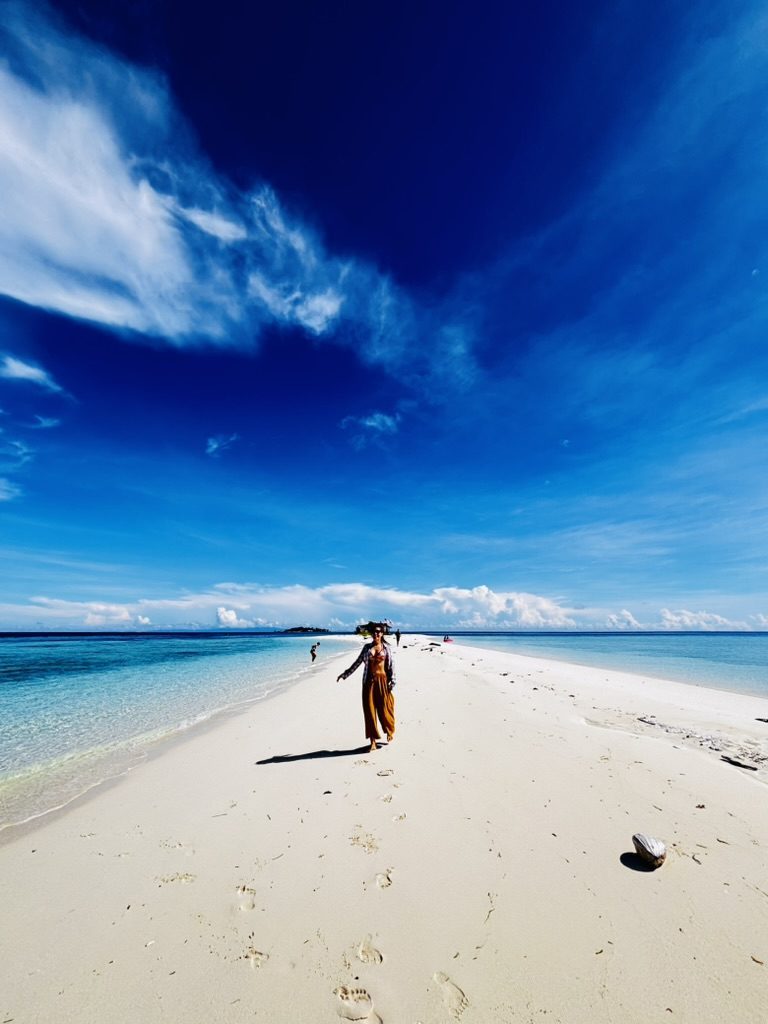
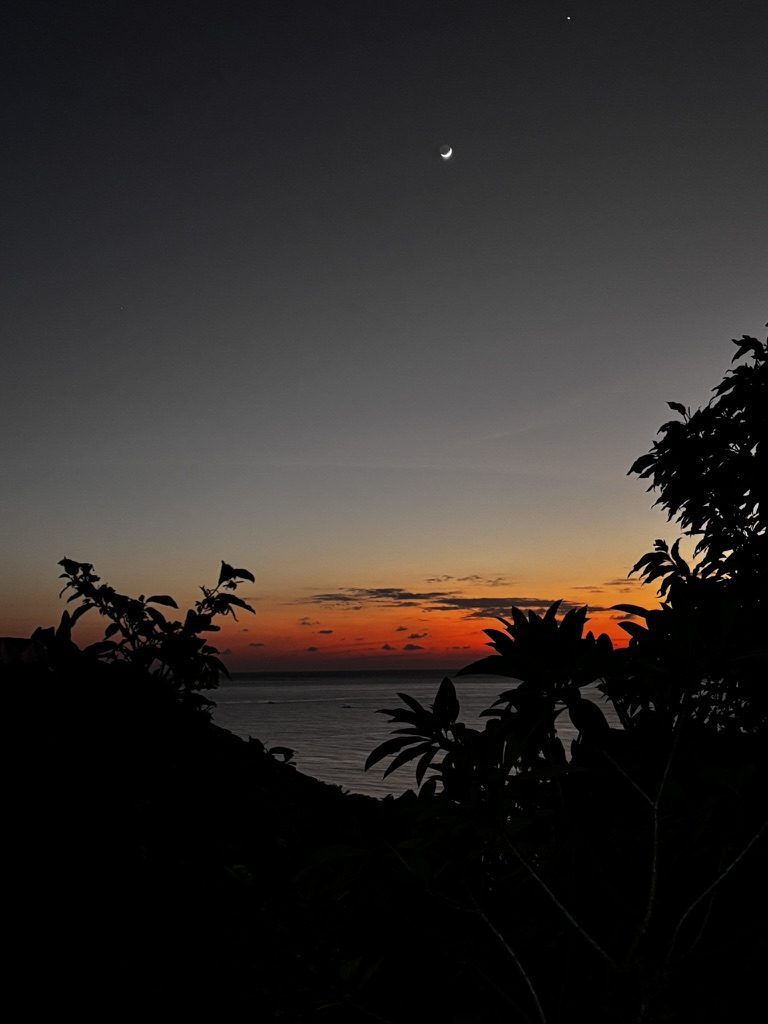
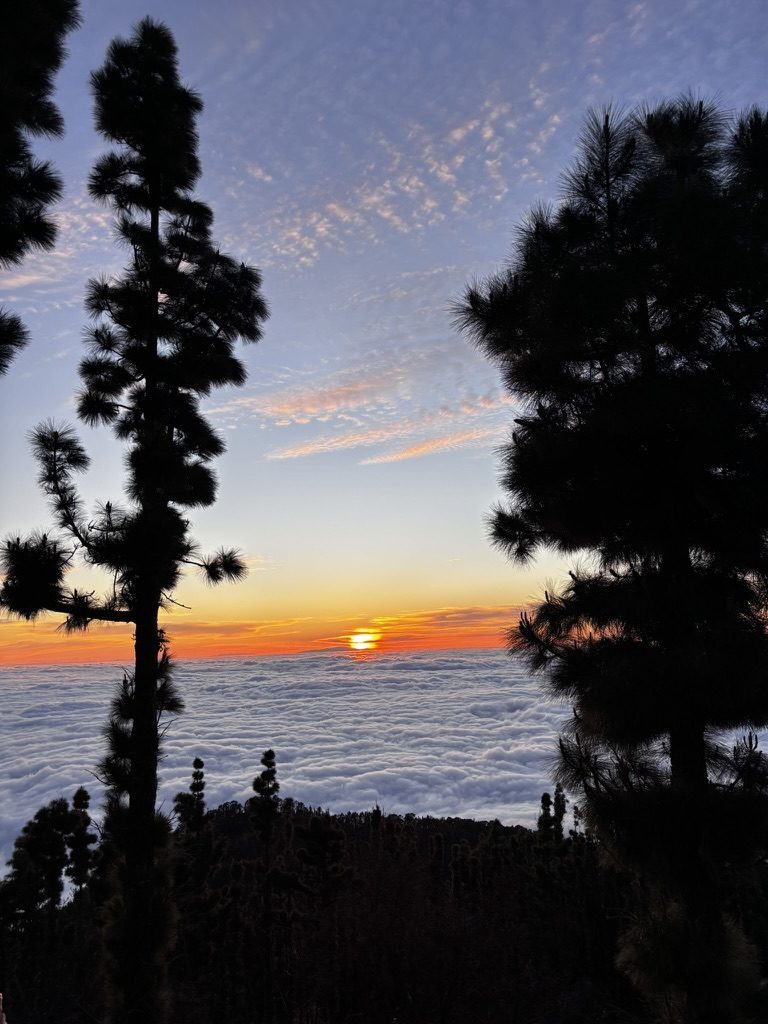
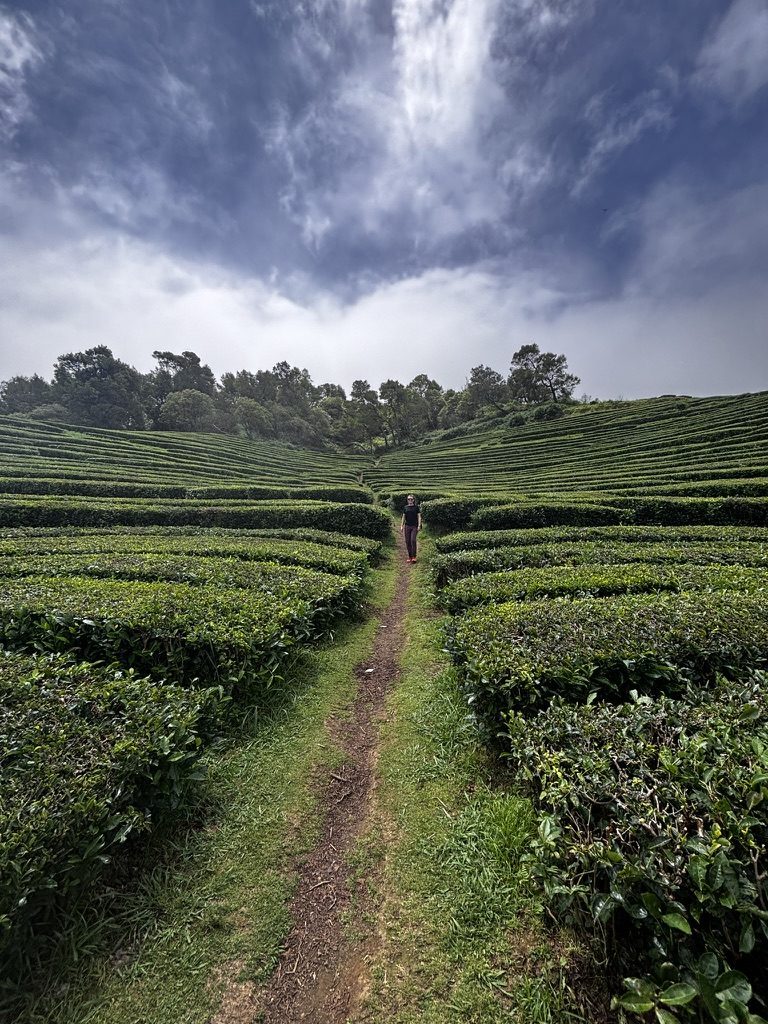
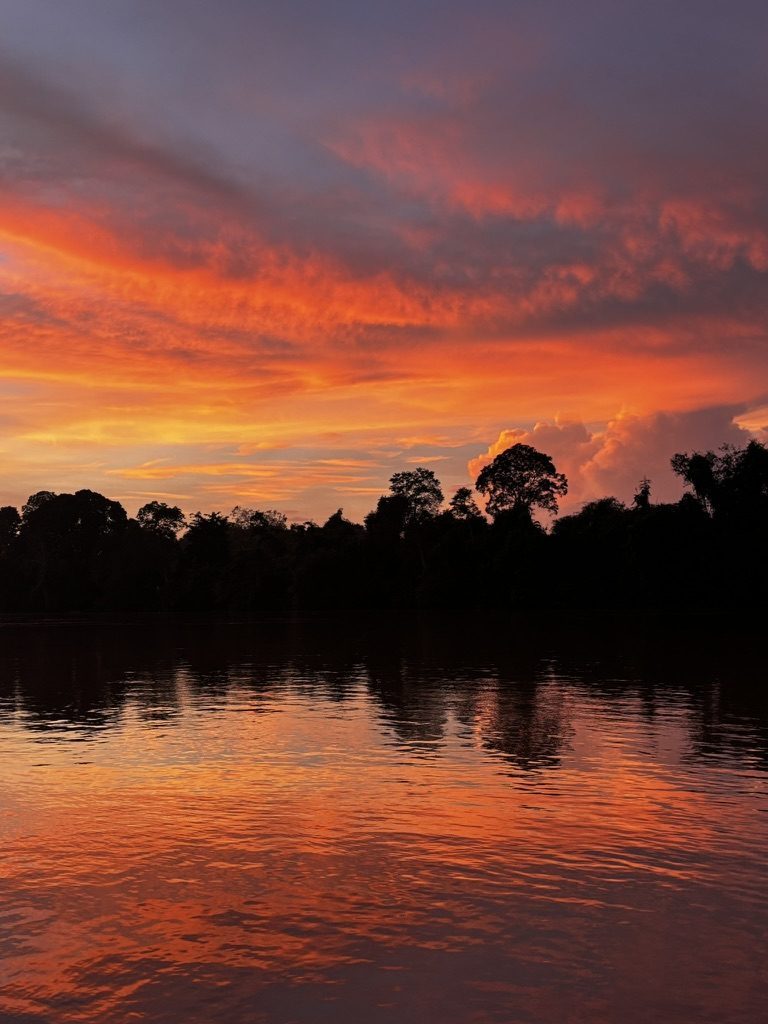
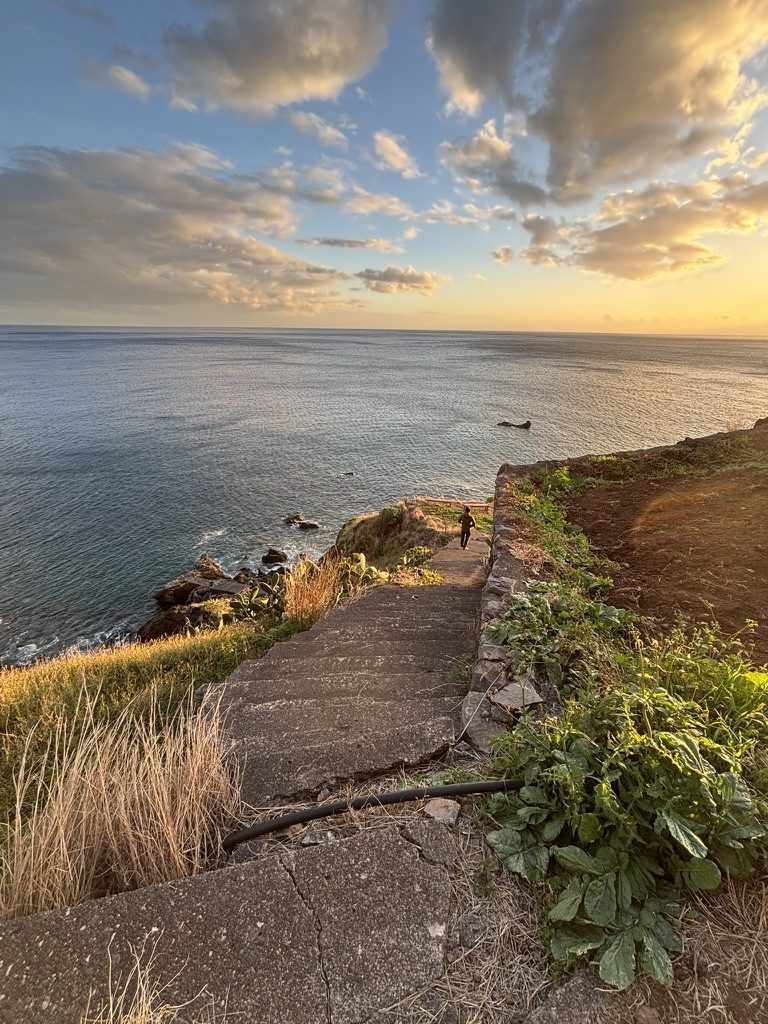
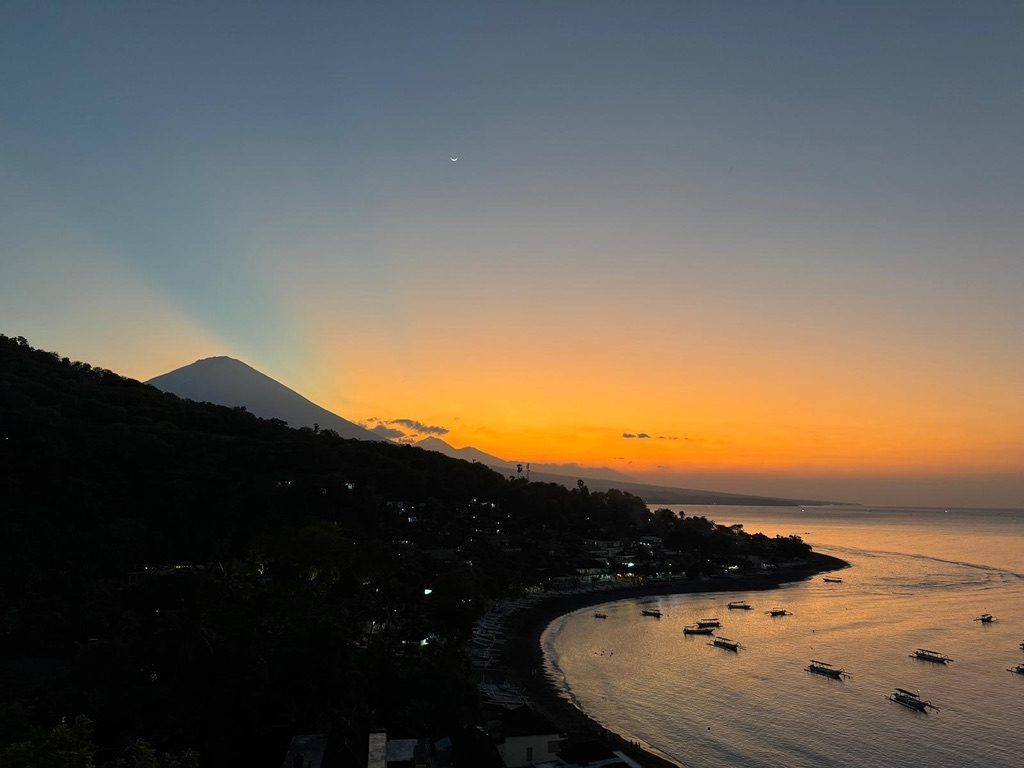
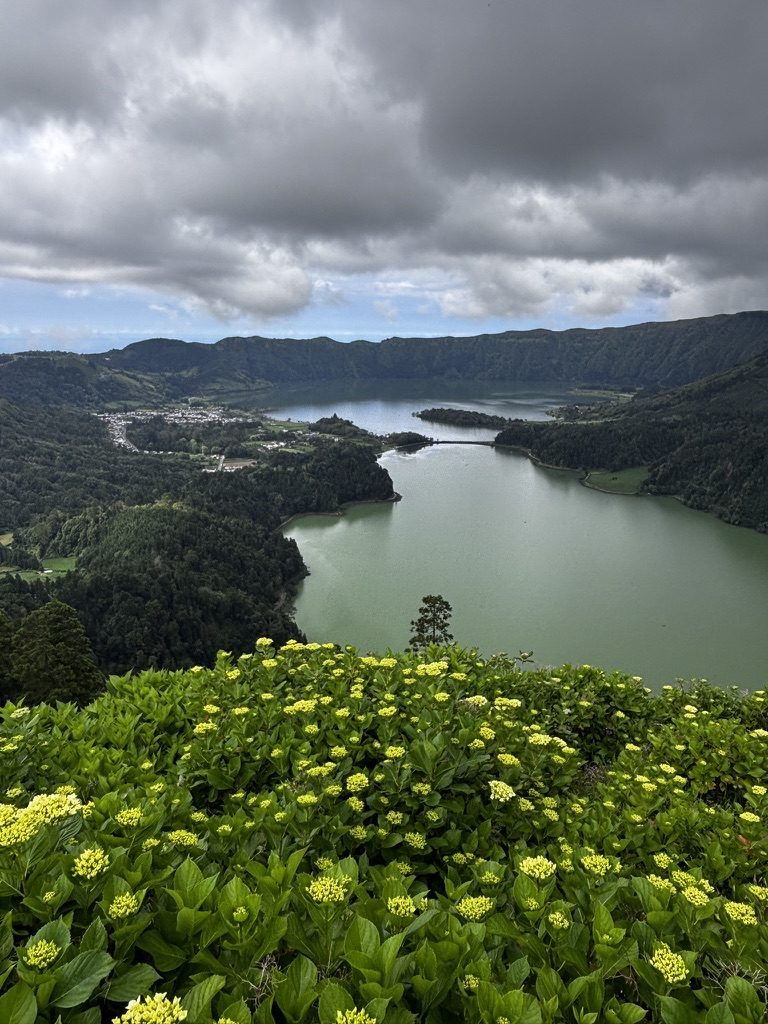
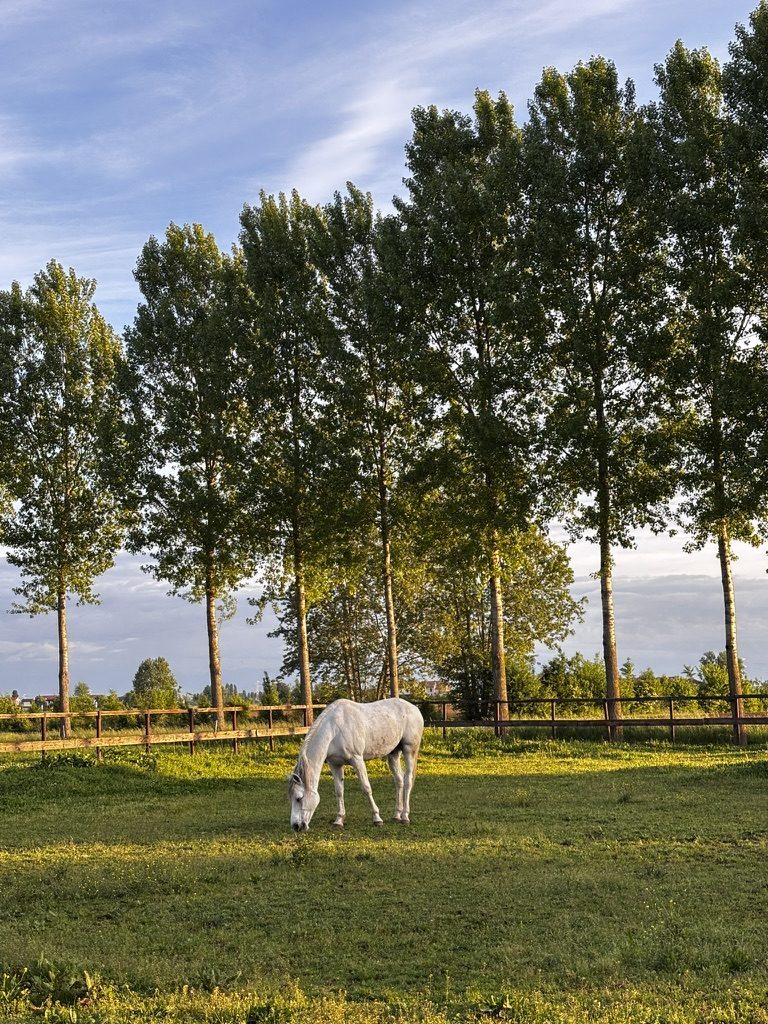
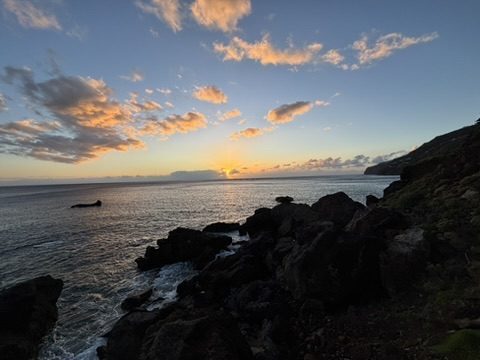
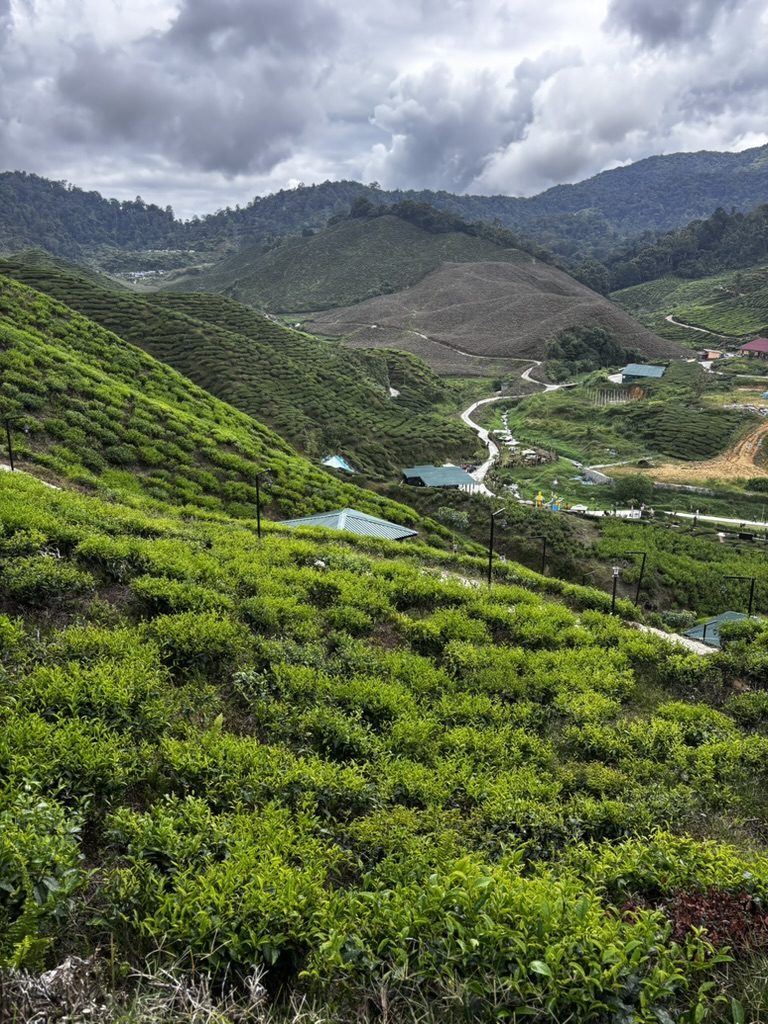
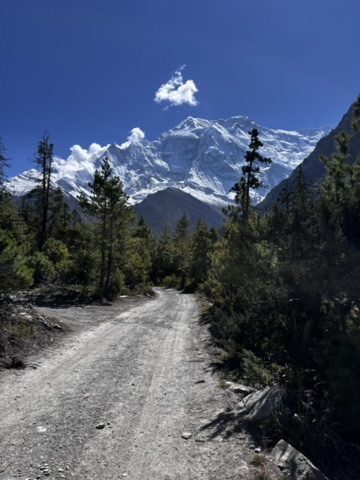
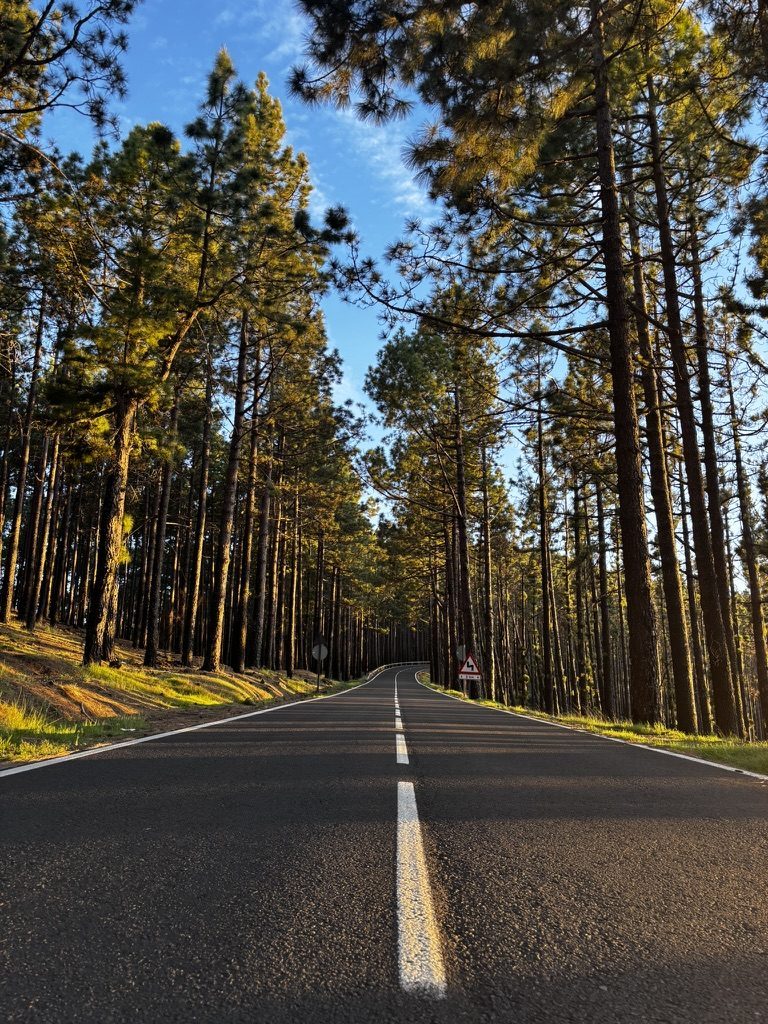
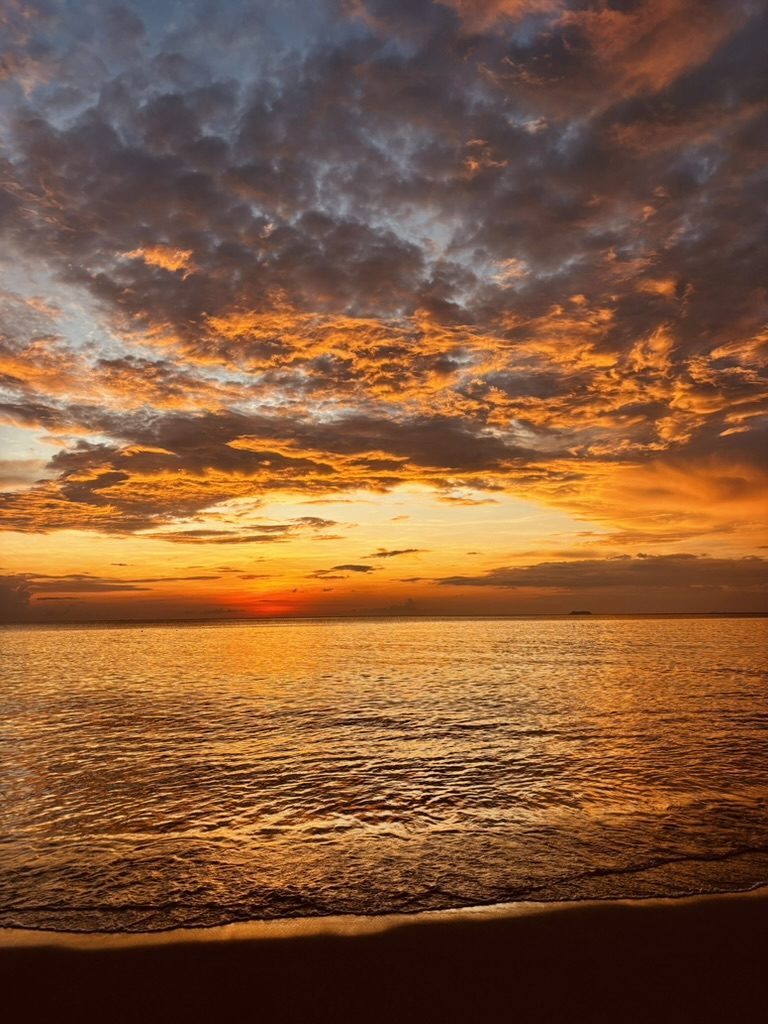
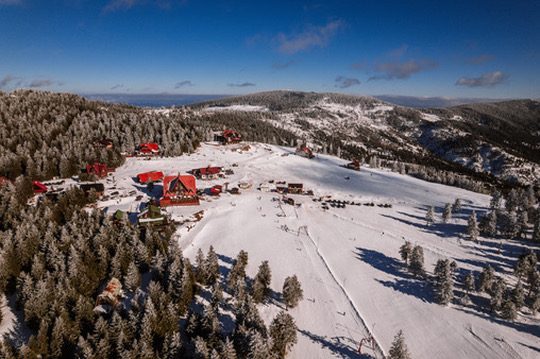
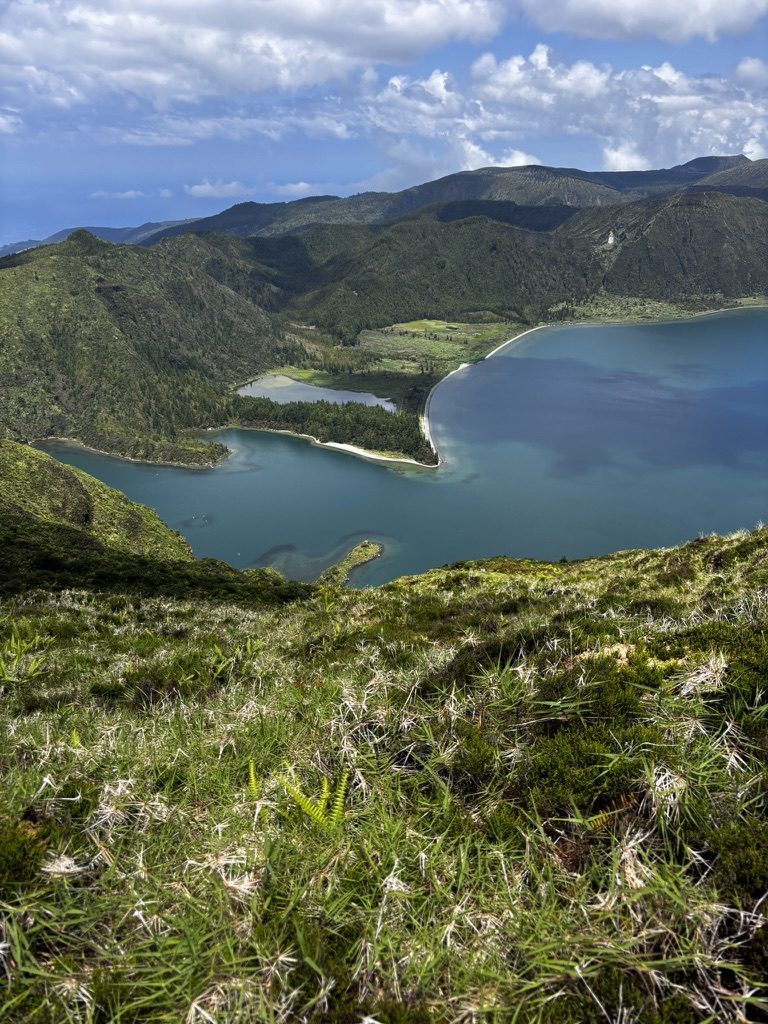
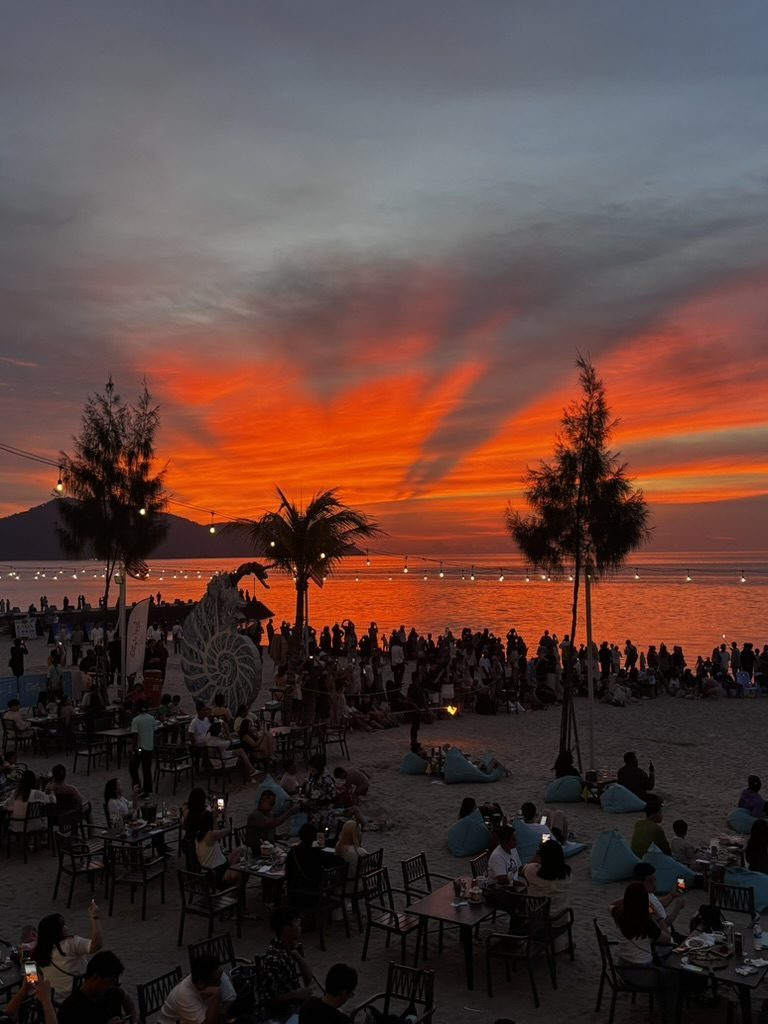
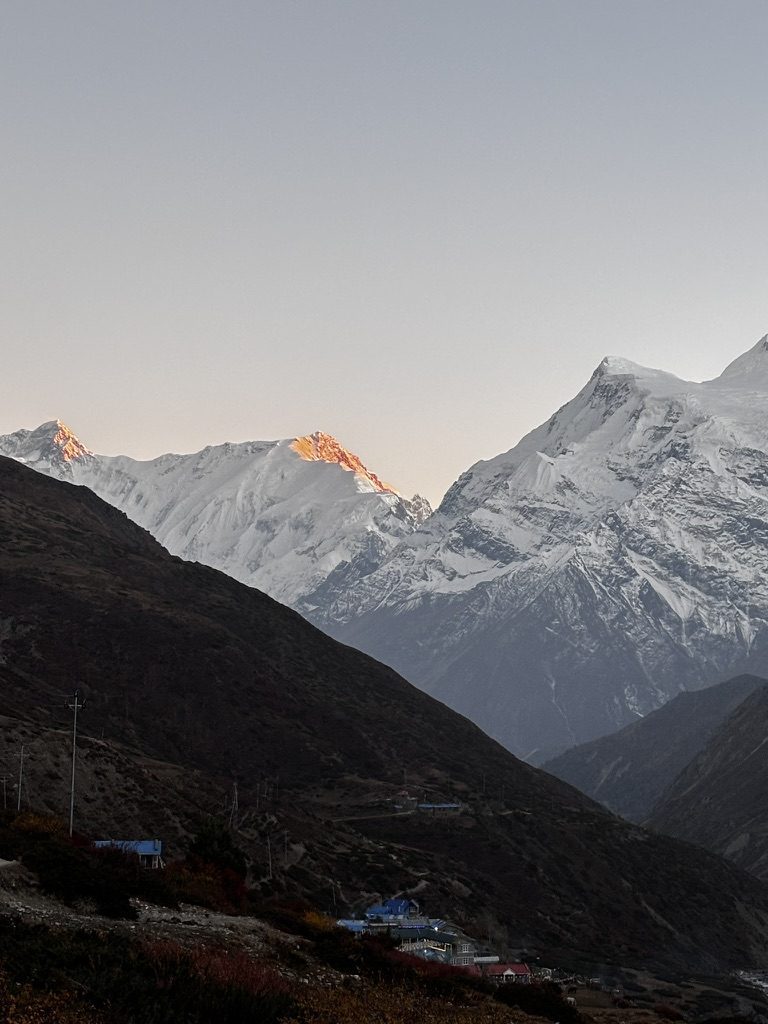
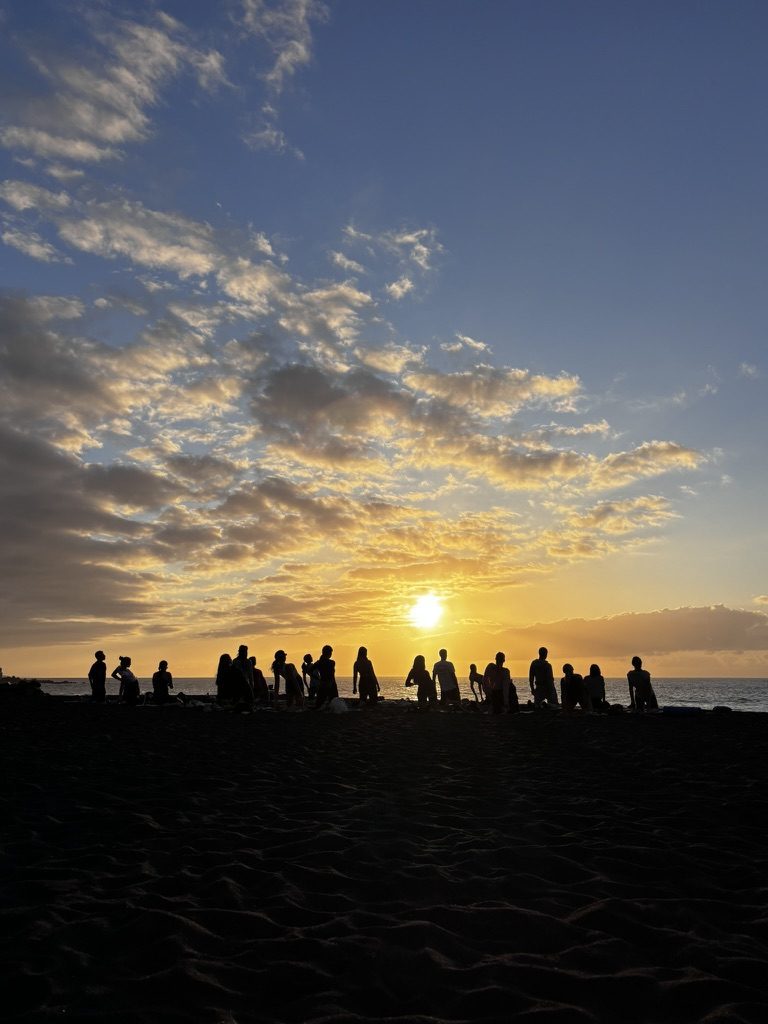
Real shots from the road — sunrises I woke up early for, landscapes I hiked into, and the ordinary moments that turned out to be anything but.
The Practical Side
Everything I actually use and check before I go somewhere new — from insurance to apps to the real cost of a day on the road. No fluff. These are my honest picks after years of solo travel as a woman and a remote worker.
Before any solo trip I do the same checklist: research the neighbourhood, not just the city. Save the local emergency numbers. Share my itinerary with someone at home. Use Google Maps offline — download the map before you land. Never pull out an expensive camera or phone on a busy street without reading the area first.
I stay in hostels most of the time — specifically female dorms or small mixed dorms in well-reviewed places. It's cheaper, you meet people, and the good ones have better social energy than most hotels. For longer stays I use Airbnb or look for co-living options.
Non-negotiable. I've had to use it. Get one that covers adventure sports if you're doing anything physical — regular policies exclude hiking, diving, and anything with the word "extreme" attached. For long-term travellers, monthly subscriptions beat annual fixed-country policies.
I currently use SafetyWing. Honest opinion: good coverage, easy claims process, the app works.
Working remotely while travelling means your wifi and your bank fees matter more than anything else. I use Wise for all international transfers and spending — it saves a meaningful amount in fees every month. For finding co-working spaces, Coworker and Nomad List are the two I trust.
I book flights on Skyscanner or Google Flights — compare both for the same route, they sometimes show different prices. For buses within SE Asia and Eastern Europe, 12Go and FlixBus respectively are reliable. Book night buses to save an accommodation night.
The practical stuff nobody says out loud: dress for the context, not for Instagram. In SE Asia and the Middle East, a lightweight scarf solves most problems. Trust your gut about people faster than you trust your politeness. Female-only dorms in hostels are real and worth the slight price difference.
Real Numbers
These are real daily budgets based on my own trips — not the "budget travel is possible!" marketing version. One person, including accommodation, food, local transport and activities. Flights not included.
What "backpacker" actually means
Hostel dorm (€8–18), street food or local spots (€3–8/meal), local buses or walking, free activities. No taxis, no tourist restaurants, no impulse day trips.
What always blows the budget
Consecutive nights of going out. Airport taxis when you're tired. Booking nothing in advance during peak season and paying surge prices. "Just one more day" at an expensive island.
The hidden costs nobody lists
Visas (€20–80/entry). Insurance (€40–80/month for decent coverage). Airport transfers. Checked baggage fees on budget airlines. SIM cards (€5–15, worth it every time).